A Complete Guide to Choosing the Right Intrinsically Safe Camera

In industries such as oil & gas, chemical processing, mining, and manufacturing, working in potentially explosive environments is a daily reality. Capturing video or taking photographs in these hazardous areas requires specialized equipment, and intrinsically safe cameras top the list. These rugged devices are engineered to operate safely in flammable or combustible environments without becoming a source of ignition.
However, not all intrinsically safe cameras are created equal. Choosing the right one requires a comprehensive understanding of safety certifications, operational needs, camera features, and the unique challenges of your working environment. In this guide, we break down everything you need to know to make an informed purchase.
What is an Intrinsically Safe Camera?
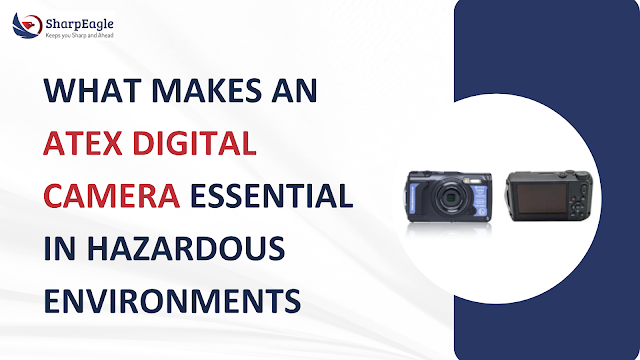
An intrinsically safe camera is a device designed to operate in hazardous areas where there’s a risk of explosion due to flammable gases, vapors, or dust. The camera is constructed in such a way that it cannot release sufficient electrical or thermal energy to cause ignition. It is tested and certified according to international safety standards such as ATEX, IECEx, and UL.
These cameras are vital for:
- Remote inspections
- Safety audits
- Monitoring equipment
- Incident documentation
- Training and reporting
Why Do You Need an Intrinsically Safe Camera?
Traditional electronic devices can be dangerous in volatile environments because they can cause sparks or generate heat. Using a standard camera in a hazardous zone can lead to catastrophic consequences, including explosions and loss of life. That’s where intrinsically safe cameras step in; they eliminate ignition risk while delivering high-quality visuals in challenging conditions.
Additionally, these cameras help streamline safety inspections, allow for remote collaboration, and reduce the need for on-site personnel in dangerous zones.
Key Certifications to Look For
When choosing an intrinsically safe camera, certification is the first and most important factor. Make sure the camera meets the specific requirements of your industry and location. Common certifications include:
- ATEX (EU): Required for equipment used in explosive atmospheres in the European Union.
- IECEx (International): A global certification that ensures compliance with IEC standards for explosive environments.
Always verify that the camera has been certified by an accredited body and that the certification applies to the zone classification (Zone 1 or 2) relevant to your operations.
Features to Consider When Choosing an Intrinsically Safe Camera
1. Durability and Build Quality
The ideal intrinsically safe camera should be rugged, shockproof, dustproof, and water-resistant. Look for models with high IP ratings (e.g., IP68 or higher), ensuring resistance to water and fine dust particles.
2. Image and Video Quality
Just because it’s a safety camera doesn’t mean you have to sacrifice quality. Choose cameras with:
- High-resolution image sensors
- Full HD or 4K video capability
- Wide dynamic range (WDR)
- Low-light or infrared capabilities
These features are essential for capturing clear visuals in industrial environments where lighting conditions vary.
3. Battery Life and Power Options
In remote or hard-to-reach areas, access to charging might be limited. Opt for a camera with long battery life, preferably one that can function for 8–12 hours continuously. Some models also support external power sources or interchangeable batteries.
4. Ease of Use
A user-friendly interface is a must. Features like large buttons (usable with gloves), intuitive menus, and a responsive touchscreen (or physical controls) are essential for workers in PPE (Personal Protective Equipment).
5. Connectivity
Modern intrinsically safe cameras may come with:
- Wi-Fi or Bluetooth for instant sharing
- USB-C or Micro-USB for quick data transfer
- Cloud compatibility for real-time access and remote monitoring
This connectivity can streamline workflows and reduce time spent in hazardous areas.
6. Thermal Imaging (Optional)
Some advanced models offer integrated thermal imaging, helping identify hotspots, leaks, or insulation issues in equipment. This feature is especially useful in electrical inspections and predictive maintenance.
Top Use Cases by Industry
Industry Use Case Oil & Gas Pipeline inspection, offshore rig monitoring Chemical Plants Leak detection, safety audits Mining Equipment checks, operational oversight Utilities Electrical cabinet monitoring, thermal imaging Manufacturing Safety compliance, incident documentation
Maintenance and Support
Choose a supplier that offers after-sales support, firmware updates, and technical assistance. Also, consider the availability of accessories such as protective cases, charging docks, or additional lenses.
Routine maintenance is minimal due to the rugged design, but it’s critical to follow the manufacturer’s guidelines for cleaning and inspection to ensure continued safety compliance.
Final Thoughts
Investing in the right intrinsically safe camera is not just about compliance; it’s about safety, efficiency, and confidence. With the right device, you can document, inspect, and monitor hazardous areas without putting your workforce at risk.
Before making a purchase, evaluate your site conditions, operational needs, and compliance requirements. Partnering with a reliable vendor and choosing a certified, feature-rich camera will ensure your investment delivers long-term value and peace of mind.
Need help finding the right intrinsically safe camera? At SharpEagle Technology, we specialize in ATEX-certified cameras built for the harshest environments. Explore our range today and elevate your safety standards.
Comments
Post a Comment