Safe and Smart: ATEX Digital Camera for Hazardous Zones

In high-risk industrial environments like oil refineries, chemical plants, gas processing facilities, and offshore rigs, maintaining visual monitoring and documentation is essential. However, using conventional cameras in these hazardous zones is both unsafe and non-compliant with international safety regulations. That’s where ATEX-certified digital cameras come into play.
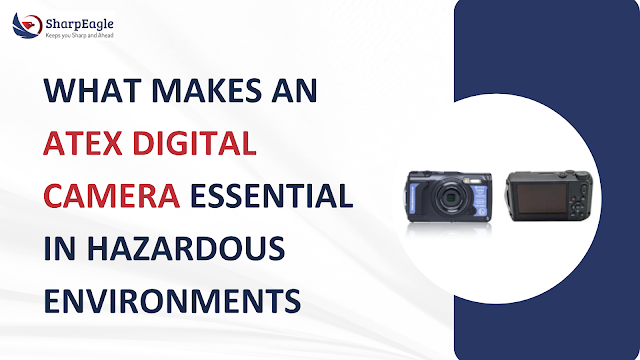
Combining safety, intelligence, and advanced imaging, an ATEX digital camera is the ideal solution for capturing high-quality visuals in explosive atmospheres. Let’s explore how these specialized devices redefine safe imaging and operational efficiency in hazardous zones.
What is an ATEX Digital Camera?
An ATEX digital camera is a specially engineered imaging device designed for use in explosive atmospheres, classified as Zone 1 or Zone 2. The term “ATEX” refers to two European Union directives that govern the use of equipment in explosive environments:
- ATEX 99/92/EC (ATEX 137) — Defines safety responsibilities in hazardous workplaces.
- ATEX 2014/34/EU (ATEX 114) — Governs the equipment and protective systems intended for use in such environments.
An ATEX-certified camera is built to prevent ignition of any explosive gas or dust in its surroundings, ensuring the highest level of safety during use.
Why Hazardous Zones Need ATEX Cameras
Industries working with flammable gases, combustible dust, or volatile chemicals operate in environments where a single spark can cause catastrophic explosions. These are designated as hazardous areas, typically classified into zones:
- Zone 0: Explosive atmosphere present continuously or for long periods.
- Zone 1: Likely to occur in normal operation occasionally.
- Zone 2: Unlikely in normal operation, but if it occurs, it persists for a short period.
Using regular digital cameras in such zones is not only unsafe but illegal under many safety compliance laws. ATEX cameras provide a compliant and secure alternative.
Key Features of a Smart ATEX Digital Camera
The latest generation of explosion proof digital cameras does more than just comply with safety standards. They offer smart features that improve efficiency, usability, and documentation quality:
1. Explosion-Proof Housing
These cameras are encased in rugged enclosures made of stainless steel or aluminum alloy, with anti-corrosive, waterproof, and shock-resistant properties. The housing ensures no internal spark escapes, even in case of malfunction.
2. High-Resolution Imaging
Despite being built for safety, modern ATEX cameras deliver HD or Full HD video and image capture, with advanced optics for clarity even in low-light or smoky environments.
3. Infrared and Night Vision
Many models are equipped with IR illuminators to support surveillance and inspection during night shifts or in poorly lit indoor facilities.
4. Wireless Connectivity
Smart ATEX digital cameras come with Wi-Fi or 4G connectivity, enabling real-time streaming, remote control, and data upload to cloud systems — essential for live monitoring in large industrial zones.
5. Long Battery Life
Some portable models include rechargeable power packs or support for hot-swappable batteries, allowing for extended usage during field inspections without safety compromise.
6. Media Encryption & GPS
In environments where data sensitivity is crucial, encrypted storage and GPS-enabled tagging help track when and where footage was captured.
Use Cases Across Industries
ATEX digital cameras are highly versatile and used for various operational needs:
- Routine Maintenance Inspections: Engineers and safety inspectors use them to document equipment performance, pipe corrosion, and other critical checks without interrupting operations.
- Accident Documentation: Quick and safe imaging of accident sites is vital for root cause analysis and legal documentation.
- Training & Reporting: High-quality visuals captured from ATEX zones are used in training sessions, improving employee awareness and safety knowledge.
- Remote Monitoring: With Wi-Fi/4G capabilities, ATEX cameras help central control rooms monitor inaccessible or risky sections of a facility in real-time.
Benefits of Using ATEX Digital Cameras
✅ Complies with International Safety Regulations
Avoid penalties and ensure a safe working environment by meeting global compliance standards including ATEX, IECEx, and INMETRO.
✅ Enhances Worker Safety
Removes the need for workers to carry unsafe devices into hazardous zones, minimizing the risk of ignition or explosion.
✅ Improves Documentation Quality
Capture clear, consistent records that can be used for maintenance logs, audits, and safety assessments.
✅ Reduces Downtime
Quick and safe inspection means less time spent in shutdowns or manual checks, enhancing operational continuity.
✅ Supports Digital Transformation
Smart ATEX cameras are part of the broader trend of Industry 4.0, enabling connected workflows, cloud storage, and data-driven safety decisions.
Choosing the Right ATEX Camera
When selecting an ATEX digital camera, consider the following:
- Zone Classification: Ensure the camera is certified for your specific hazardous zone (Zone 1 or 2).
- Resolution & Lens: Match image quality needs with your operational goals.
- Mounting or Portable: Decide between fixed cameras for surveillance or handheld cameras for inspection.
- Additional Certifications: Look for IECEx or UL certification if operating in international or multi-standard environments.
- Support & Warranty: Go with brands that offer after-sales support, installation help, and warranty for industrial use.
Final Thoughts
In hazardous industrial zones, safety and documentation must go hand in hand. With an ATEX-certified digital camera, you don’t have to compromise one for the other. These smart, explosion-proof devices allow you to work confidently in volatile environments — capturing crucial data, enhancing inspections, and boosting workplace safety.
If you’re looking for a reliable and ATEX-certified digital camera solution, SharpEagle is one of the trusted global names offering rugged, smart, and cost-effective options for high-risk environments.
Comments
Post a Comment