Posts

Showing posts with the label hazardous area lighting

10 Key Factors to Consider When Choosing Explosion Proof Lighting

Image
Explosion proof lighting is essential for ensuring safety in industries where hazardous gases, dust, or flammable substances are present. These types of lights are specifically designed to prevent sparks or excessive heat from igniting potentially dangerous materials in the surrounding environment. Choosing the right explosion proof lighting is critical to minimizing risks and complying with safety regulations. In this blog, we’ll explore the 10 key factors to consider when selecting  explosion proof lighting  for your facility, ensuring that it meets safety standards, performs efficiently, and enhances operational safety. 1. Certification and Compliance One of the most important factors to consider when selecting explosion proof lighting is compliance with international safety standards. Explosion proof lighting should meet relevant certifications such as ATEX (for Europe), IECEx (for international standards), and UL (Underwriters Laboratories) for the U.S. These certificatio...

Why Explosion Proof Lights Are Essential in Hazardous Areas

Image
In industries such as oil and gas, mining, chemical manufacturing, and refineries, safety is not just a priority — it’s a necessity. One of the most critical safety measures in such high-risk environments is reliable lighting that can withstand extreme conditions. This is where explosion proof lights come into play. Explosion proof lighting is specifically designed to prevent ignition of hazardous substances in areas where flammable gases, vapors, dust, or fibers may be present. It plays a crucial role in ensuring workplace safety, maintaining compliance with regulations, and minimizing the risk of accidents and damage. What Are Explosion Proof Lights? Explosion proof lights , also known as flameproof or hazardous location lighting, are fixtures engineered to contain any explosion that may originate within the housing, thereby preventing the ignition of the surrounding hazardous atmosphere. They are not “explosion resistant” in the sense of withstanding an external blast, but rather bu...

7 Facts to Know About LED Explosion Proof Hazardous Area Lights

Image
In hazardous industries such as oil, gas, and chemical processing, safety isn’t just a priority — it’s a necessity. One critical aspect of safety in these environments is the type of lighting used. But what makes lighting safe for hazardous areas? Are LED lights explosion proof? And, why are they the go-to solution for such high-risk zones? Lighting plays a crucial role in ensuring a safe working environment, but not all lights are designed to withstand volatile conditions. In this blog, we will explore 7 essential LED lighting facts that highlight why LED explosion proof lights are an indispensable asset in hazardous areas. From their energy efficiency to their certifications, we’ll cover all you need to know about these specialised lights and how they can enhance both safety and efficiency in your operations. “Explosion Proof” — Debunking the Myth of Spark-Free Operations A common misconception surrounding explosion proof lights is the belief that they are indestructible or can survi...

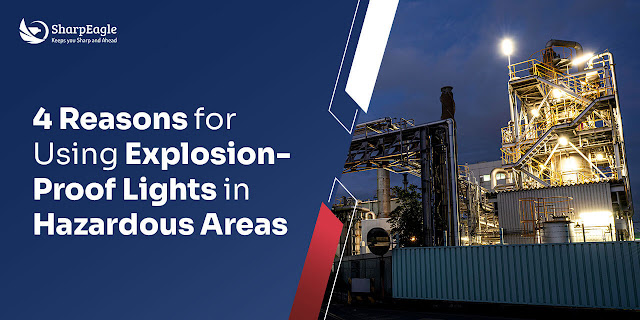
4 Reasons for Using Explosion Proof Lights in Hazardous Areas

Image
In industries where safety cannot be compromised, explosion proof lighting systems stand as a pivotal measure to mitigate the risks associated with hazardous environments. When working in high-risk sectors like  oil and gas , chemical plants, mining, and manufacturing, the smallest spark can lead to catastrophic consequences. This is where explosion proof lighting becomes not just a necessity but a life-saving investment. But what makes them so crucial, and why should businesses invest in them? Here are four key reasons, backed by real-life cases, technical insight, and the value they bring to any hazardous operation. What is Explosion Proof Lighting? Explosion proof lighting refers to specialised lighting systems designed for use in environments where flammable gases, vapours, or dust may be present. These lights are engineered to prevent the ignition of hazardous materials by containing any internal sparks or heat within the fixture. Constructed from robust, corrosion-resistant m...