How Intrinsically Safe Cameras Improve Workplace Safety in UK Industries
.jpg)
In industrial environments where explosive gases, flammable dust, or volatile chemicals are present, safety is not just a priority — it’s a legal and operational necessity. Across UK industries such as oil & gas, chemical manufacturing, mining, and pharmaceuticals, the use of intrinsically safe cameras is becoming increasingly crucial for ensuring employee safety and regulatory compliance.
What Are Intrinsically Safe Cameras?
An intrinsically safe camera is a specially designed imaging device built to operate safely in hazardous areas without igniting explosive substances. These cameras are engineered to limit electrical and thermal energy, making them incapable of causing ignition in volatile atmospheres.
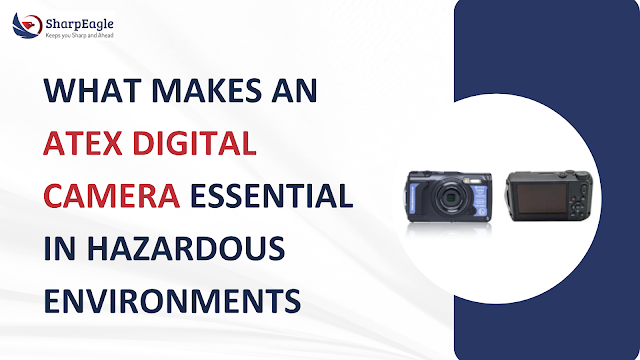
For companies operating in ATEX Zone 1 and Zone 2 environments, these cameras — often labeled as atex digital cameras — are a mandatory requirement under UK regulations. ATEX cameras UK must meet strict EU directives, ensuring they can function without sparking or overheating.
Why Are They Important in UK Industries?
UK industries are governed by stringent health and safety standards. The Health and Safety Executive (HSE) mandates proper monitoring and documentation practices in hazardous zones. Here’s where the intrinsically safe camera UK models come into play.
They allow safety personnel to:
- Conduct routine inspections without shutting down operations
- Document incidents and evidence for audits
- Remotely monitor hard-to-reach or dangerous areas
- Enable maintenance teams to evaluate conditions visually without direct exposure
With the help of explosion proof digital cameras, businesses avoid unnecessary downtime and reduce the risk to human lives.
Applications in Real-World Scenarios
- Oil & Gas Platforms:
Offshore rigs often face challenges such as flammable gas leaks. An atex camera ensures safe visual inspection of sensitive areas, especially where gas build-up is possible. - Chemical Processing Plants:
The presence of corrosive substances and combustible dust makes these environments high-risk. Intrinsically safe digital cameras allow real-time process monitoring and help identify leakage points without risking explosions. - Mining Sites:
Underground operations require rugged equipment. Ex proof digital cameras with robust enclosures offer clarity and durability even in low-light and high-dust conditions. - Pharmaceutical Manufacturing:
Precision and hygiene are vital. These cameras help maintain compliance with MHRA and ATEX standards while monitoring volatile ingredients and processes.
Key Features That Enhance Safety
Modern intrinsically safe cameras offer advanced features that contribute to overall workplace safety:
- High-resolution imaging even in low-light environments
- Rugged, weather-resistant housing that withstands extreme conditions
- Remote connectivity for real-time monitoring
- ATEX and IECEx certifications, essential for use in the UK and EU
SharpEagle, a leader in safety imaging technology, offers a range of ATEX camera solutions tailored for different industrial needs. These devices are not only explosion-proof but also built to deliver exceptional performance in demanding conditions.
Regulatory Compliance and Peace of Mind
Using intrinsically safe cameras isn’t just about meeting compliance; it’s about creating a culture of proactive safety. By integrating these tools, UK industries can:
- Minimize the risk of industrial accidents
- Reduce insurance premiums
- Improve inspection efficiency
- Build a safer, more resilient operation
Final Thoughts
Workplace safety in the UK’s industrial sector is evolving with the help of advanced surveillance and inspection technologies. SharpEagle’s intrinsically safe camera solutions not only reduce risk but also enhance operational control and regulatory compliance.
If your facility operates in a hazardous environment, investing in ATEX camera systems is a strategic move towards a safer, smarter future.
Explore SharpEagle’s full range of intrinsically safe cameras today and elevate your safety standards.
Comments
Post a Comment